Wildlife Crime Academy trains 30 advanced specialist in wildlife crime investigation

A poisoned vulture found beneath a power line. A lynx illegally shot and left hidden in the countryside. Falcon chicks stolen from nests for illegal wildlife trade. These incidents might look different, but they have one thing in common. They are crime scenes that demand full criminal investigations. 


Investigating crimes like these requires the ability to gather evidence, reconstruct events, understand offender behaviour and build cases that can stand up in court. That is exactly what brought 30 professionals from northern Cyprus, Montenegro, Portugal, Romania and Slovenia to Baeza, Spain, for the Wildlife Crime Academy’s Level 2 course, Investigation of Wildlife Crime, held from 16 to 18 June 2026. 


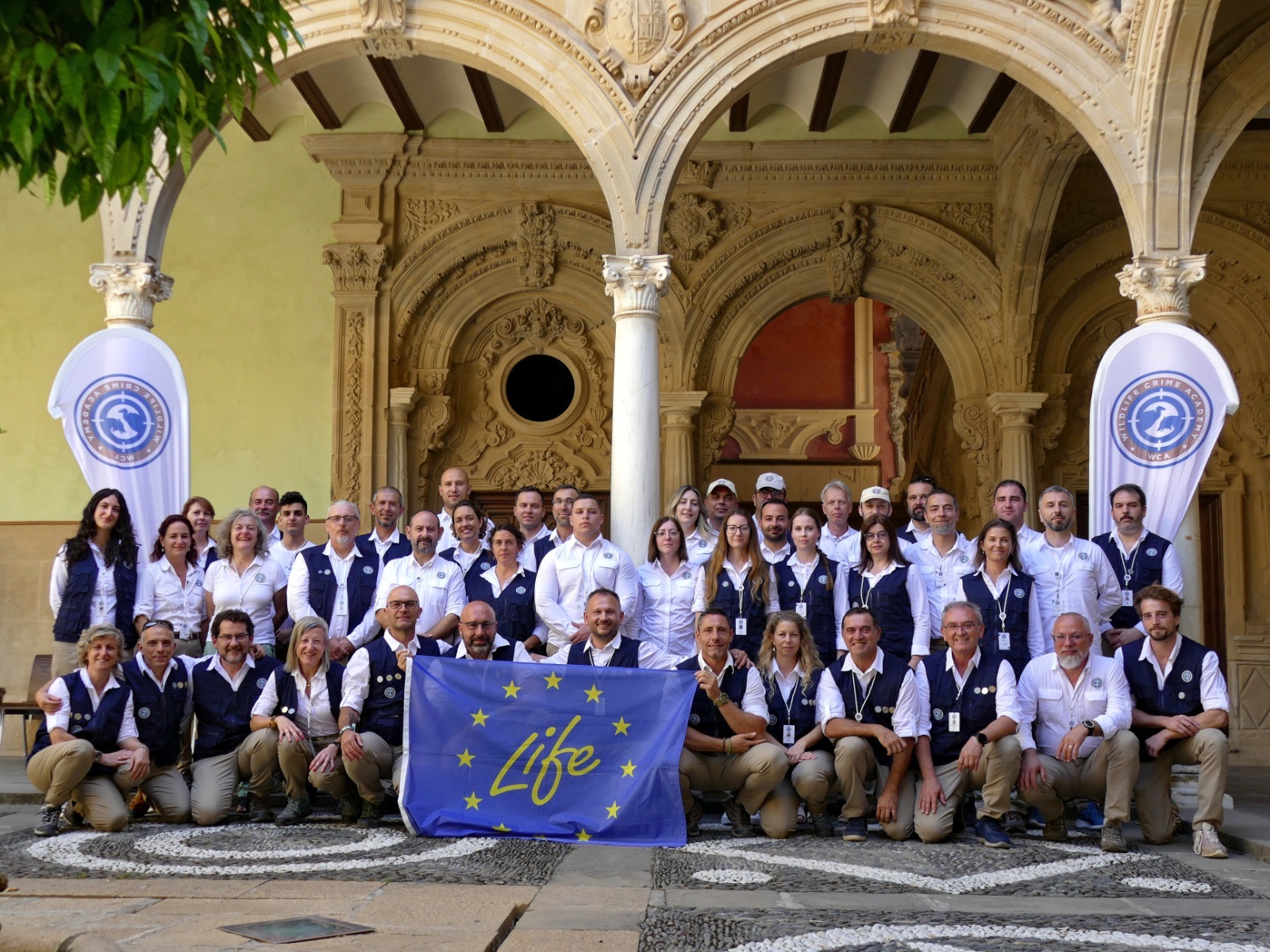
Cohort 4 brought together law enforcement officers, forensic veterinarians, environmental inspectors, prosecutors and conservation practitioners who had previously completed the Academy’s Level 1 training in Huelva–La Rábida in February. Over three intensive days, participants took part in specialist lectures, practical workshops and realistic crime scene simulations, working alongside professionals from different disciplines just as they would during a real wildlife crime investigation. 

Group photo © VCF
Group photo © VCF

Content

Following the evidence 

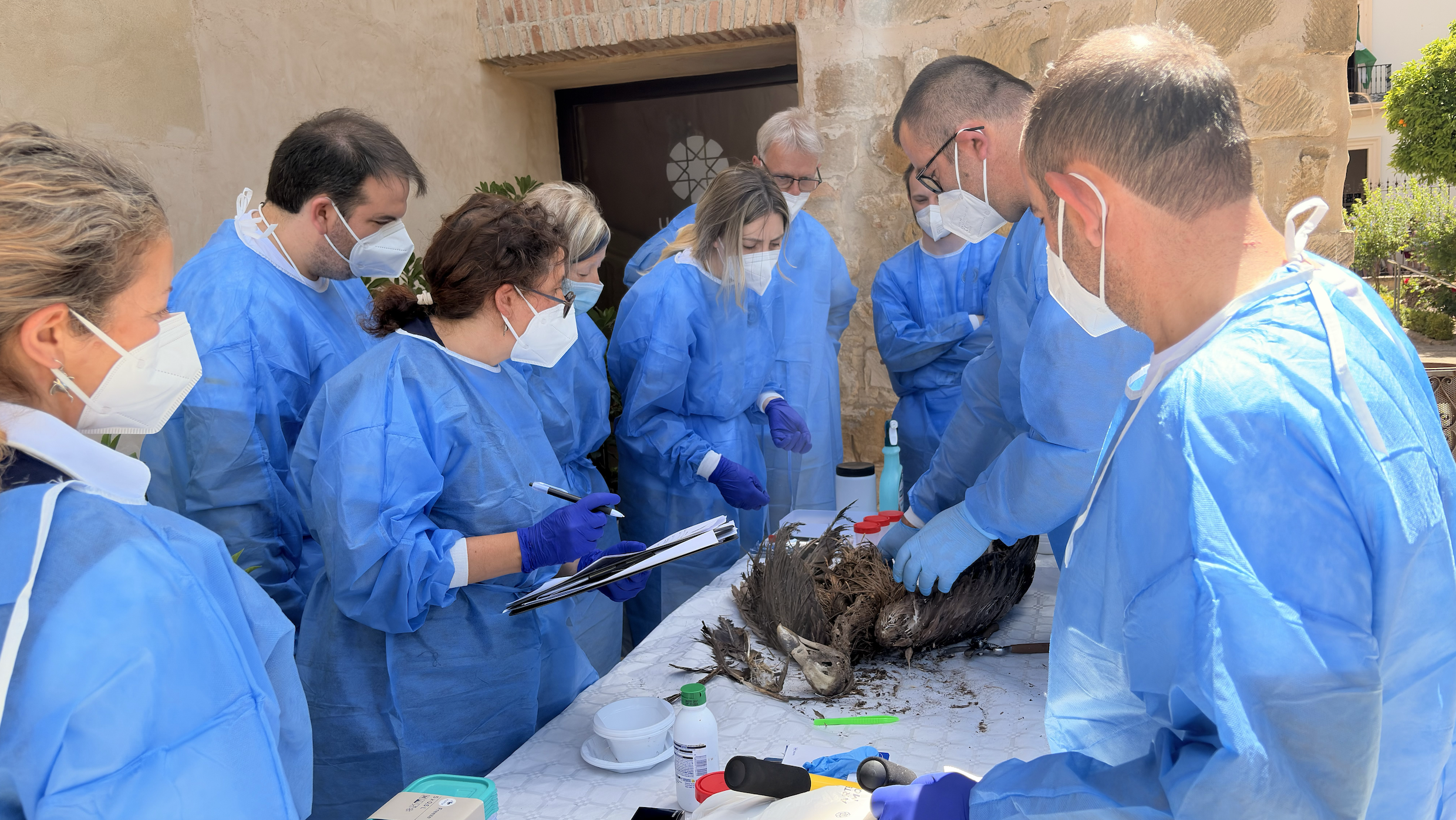
Experts from Junta de Andalucía and the Spanish police Guardia Civil led theoretical and practical sessions on forensic necropsy, forensic entomology, ballistics, toxic compounds, criminal signature and body language. 

Participants were divided into two specialist tracks. The Forensics branch focused on sampling, toxicology interpretations and forensic necropsy. The Law Enforcement branch covered advanced crime scene investigation (CSI), canine units and search techniques. A dedicated session with Europol examined the growing role of organised criminal networks in wildlife crime and how environmental offences increasingly intersect with wider criminal activity. 

Learning through real-world scenarios 

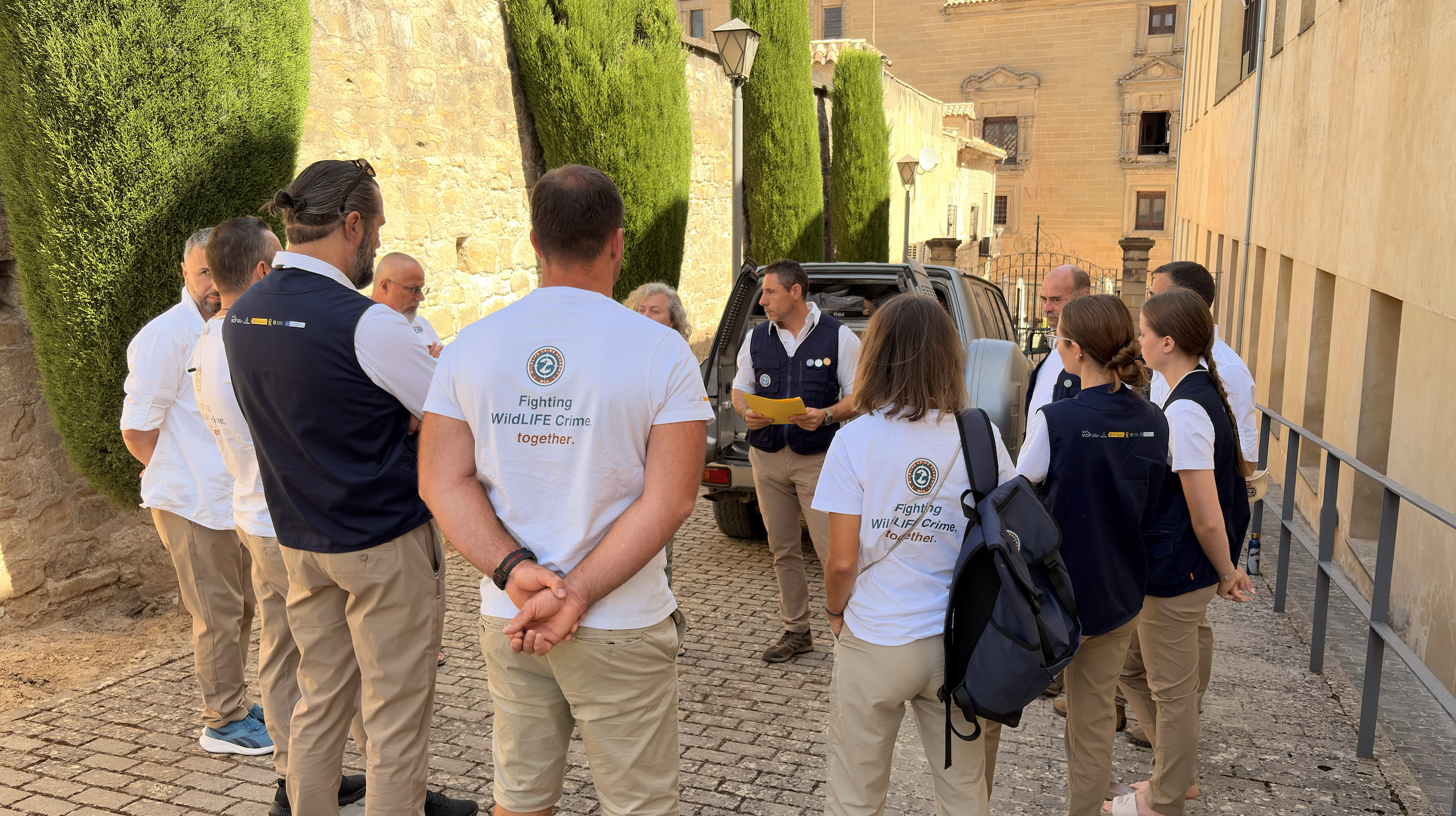
Very Real Scenarios examination © Pilar Gianni Rodríguez: VCF
Very Real Scenarios examination © Pilar Gianni Rodríguez/ VCF

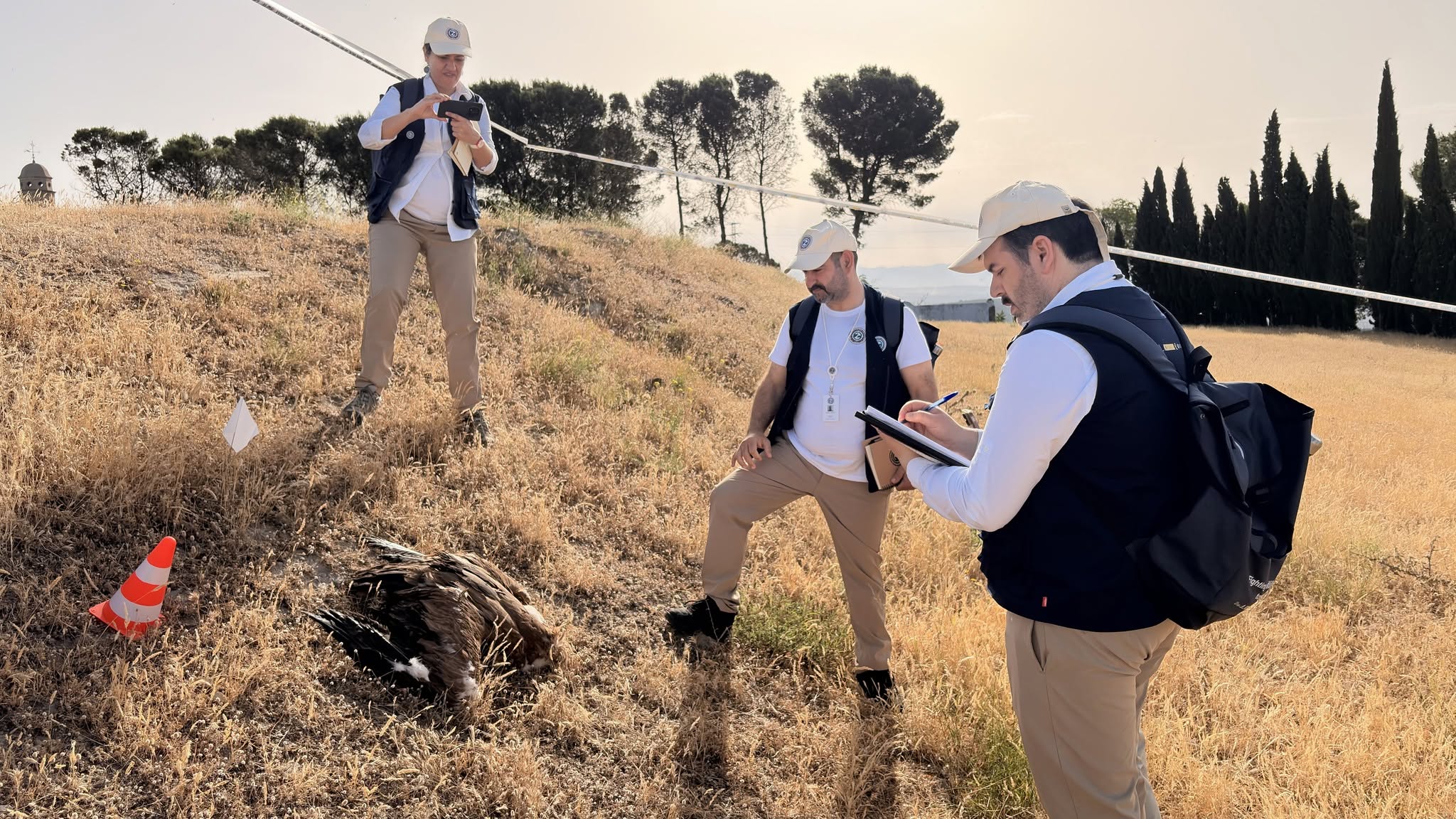
The course centred on realistic field exercises in which participants analysed crime scenes, identified evidence, reconstructed events and developed investigative strategies under operational conditions. The final examination presented multiple simulated wildlife crime scenes, requiring participants to determine what had happened, reconstruct the sequence of events and identify the evidence needed to support a successful prosecution. 

Building an international network 

Very Real Scenarios examination © Pilar Gianni Rodríguez: VCF
Very Real Scenarios examination © Pilar Gianni Rodríguez/ VCF

Wildlife crime is one of the world’s largest illegal activities and a significant driver of biodiversity loss. Yet cases regularly fail to reach prosecution due to gaps in evidence collection, investigation or coordination between agencies. 


Closing those gaps is precisely what the Wildlife Crime Academy was created to do. 


This training forms part of the WildLIFE Crime Academy, a project funded by the European Union’s LIFE Programme and led by the Vulture Conservation Foundation. So far, the Academy has trained more than 130 professionals from over 20 countries, building a network of specialists across Europe, the Caucasus and North Africa. 


The next step for Academy participants will take place in Málaga at the end of November 2026, when Cohorts 3 and 4 will come together for the Level 3 course. 


The goal of this effort is to ensure that wildlife crimes are investigated and prosecuted with the same seriousness as other major crimes, helping hold offenders accountable and prevent future wildlife deaths. 


Download the Press Release.